Recent acquittals of Croat and Kosovo-Albanian officials in the International Criminal Tribunal for the Former Yugoslavia have left some doubting the UN court's impartiality. What implications could this have when it comes to fostering reconciliation in the Balkans?
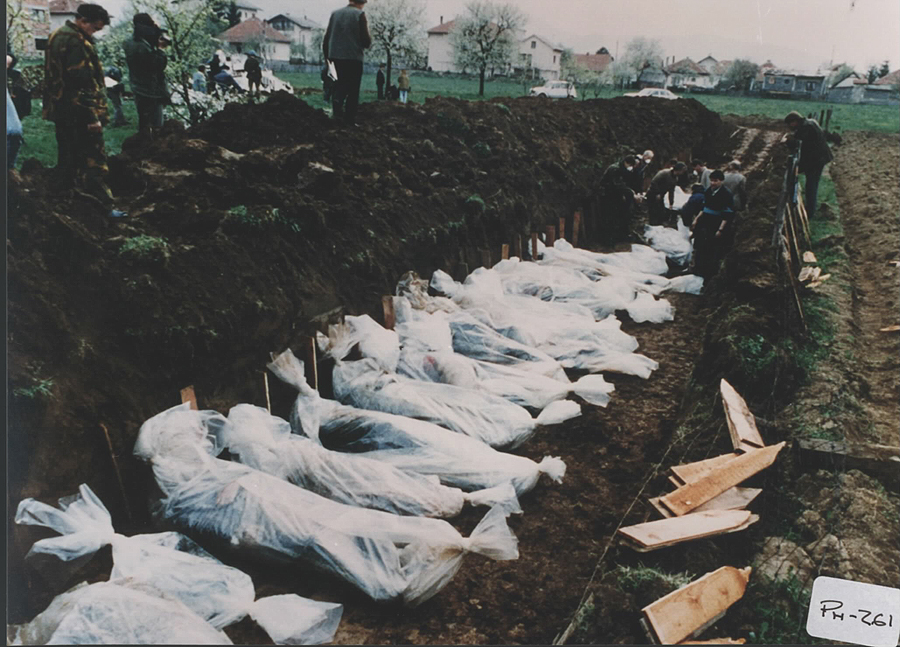
Few wars in recent memory were as brutal as the Balkan Wars of the 1990s. The violent collapse of Yugoslavia led to 140,000 deaths and hundreds of thousands of refugees.
Serbs were responsible for some of the war’s worst crimes. But like most wars, the victims and aggressors of the crimes in the former Yugoslavia defied simple categorization. While Serbs were often victimizers, they were also victims. The same was true of Croats, Kosovo Albanians, and Bosniaks.
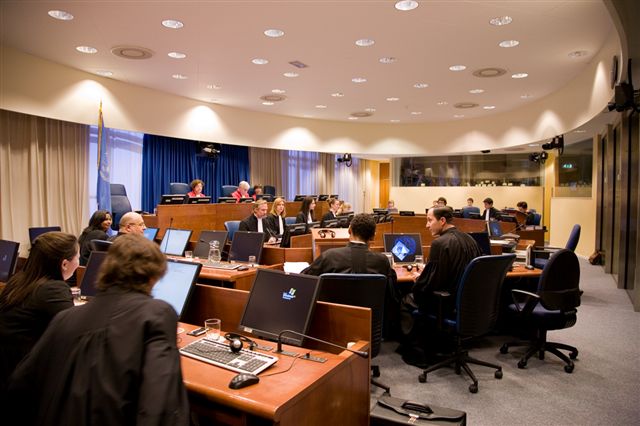
Which is why the UN established the International Criminal Tribunal for the Former Yugoslavia. Located not in the Balkans but in The Hague, it was meant to provide impartial, objective verdicts, uncompromised by ethnic bias or political ill will. Tribunal founders hoped that this objectivity would enable the Tribunal to contribute to inter-ethnic reconciliation across the Balkans.
Yet the recent acquittals of several high-ranking Croat and Kosovo-Albanian officials accused of anti-Serb crimes have left many doubting the Tribunal’s impartiality. They point out that Serbs make up the vast majority of guilty verdicts. Non-Serbs, by contrast, have rarely been held to account for crimes against Serbs. Such selective rulings, critics warn, will only further divide ethnic groups across the Balkans, and impede reconciliation.
These acquittals were deeply controversial within the court, sparking strong opposition from prosecutors and several judges. Still, Tribunal advocates insist that despite its imperfections, the Tribunal remains the most objective arbiter of international law. Without it, they say, few criminals would have been held to account in the Balkans. Imperfect justice, then, is ultimately better than no justice at all.
What do you think? Has the Tribunal been selective in its application of international law? If so, what implications does this have for the legitimacy of its verdicts and for its chances of fostering reconciliation?
For more information see
David Harland, "Selective Justice for the Balkans," The New York Times, December 7, 2012
Eric Gordy, "Today is a good day to be a criminal.," East Ethnia, November 16, 2012
Photo Credits in order of Appearance:
ICTY [also for pictures 8 and 11]
UN Photo [also for pictures 5 and 13]
Mikel Oibar [also for picture 12]
Robert Wright
ekenitr
Lassi Kurkijarvi
Becky Tappin
European Parliament
Nico Crisafulli