Featuring
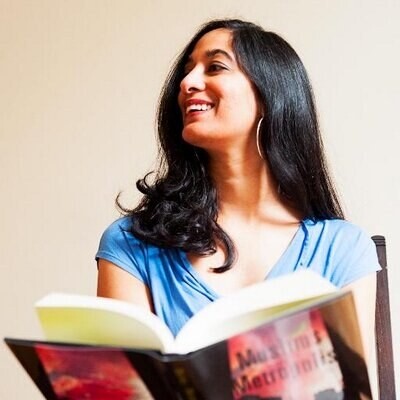
Kavitha Rajagopalan
Craig Newmark Graduate School of Journalism, CUNY; Former Senior Fellow, Carnegie Council
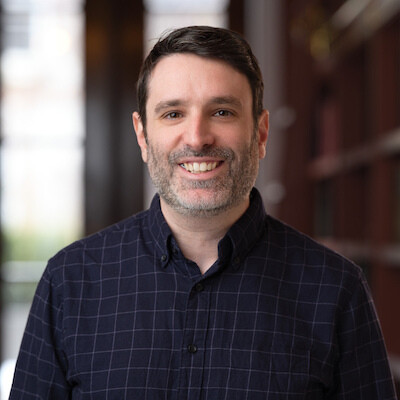
Alex Woodson
Editorial Manager & Digital Content Producer, Carnegie Council
Responding to an excerpt from a talk by Brookings Institution's William Galston, Senior Fellow Kavitha Rajagopalan and host Alex Woodson discuss immigration from a few different angles, including in the contexts of economics and English language competence. Plus, they look at the under-reported issues facing undocumented Asian immigrants in the United States.
Responding to an excerpt from a talk by Brookings Institution's William Galston, Senior Fellow Kavitha Rajagopalan and host Alex Woodson discuss immigration from a few different angles, including in the contexts of economics and English language competence. Plus, they look at the under-reported issues facing undocumented Asian immigrants in the United States.
This podcast features an excerpt from Galston's March 2018 Public Affairs talk, "Anti-Pluralism: The Populist Threat to Liberal Democracy." It also touches on an October 2015 panel Rajagopalan moderated at Carnegie Council, titled "Chinese Immigrant Experiences in New York City."
Rajagopalan also mentions her son's illness in this podcast. For more on that, check out her May 2017 CNN article, "My son's life under Trump's proposed cuts."
You can hear more from Rajagopalan on this July 2018 Global Ethics Weekly podcast, and follow her on Twitter, @kxraja. She is also the author of Muslims of Metropolis.


